No products in the basket.


0
Lighting planning with pendant fixtures
Lighting planning with pendant fixtures
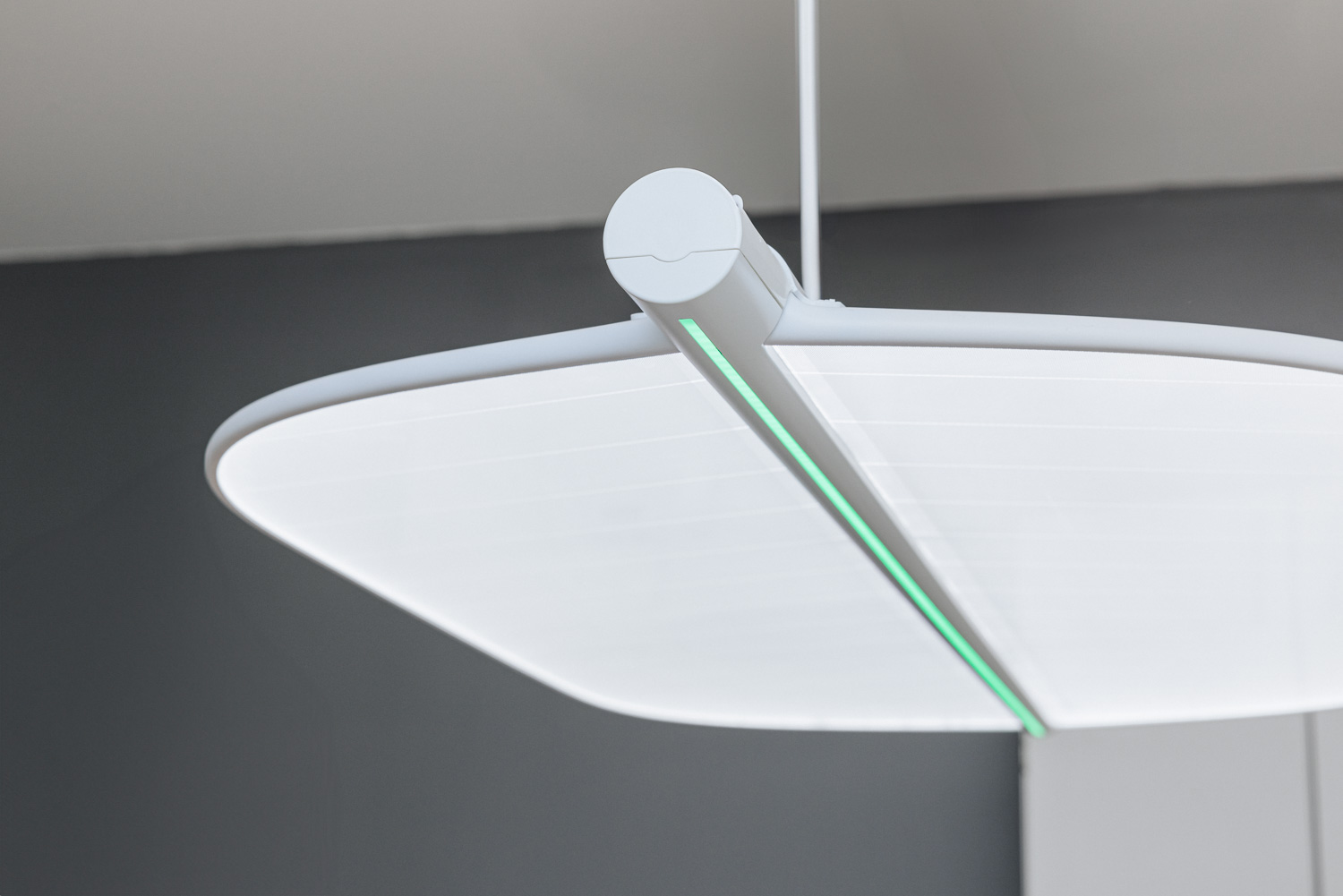
In healthcare environments such as dental clinics, examination rooms, and veterinary practices, lighting is a critical part of the work environment. Light affects not only how clearly the practitioner sees details but also ergonomics, concentration, and the patient’s perception of the space. For this reason, pendant fixtures are a central element in lighting design.
Better work environment for practitioners
Dentists and veterinarians often work for long periods with high precision on small work areas. To avoid eye strain and headaches, lighting needs to be even and balanced throughout the room.
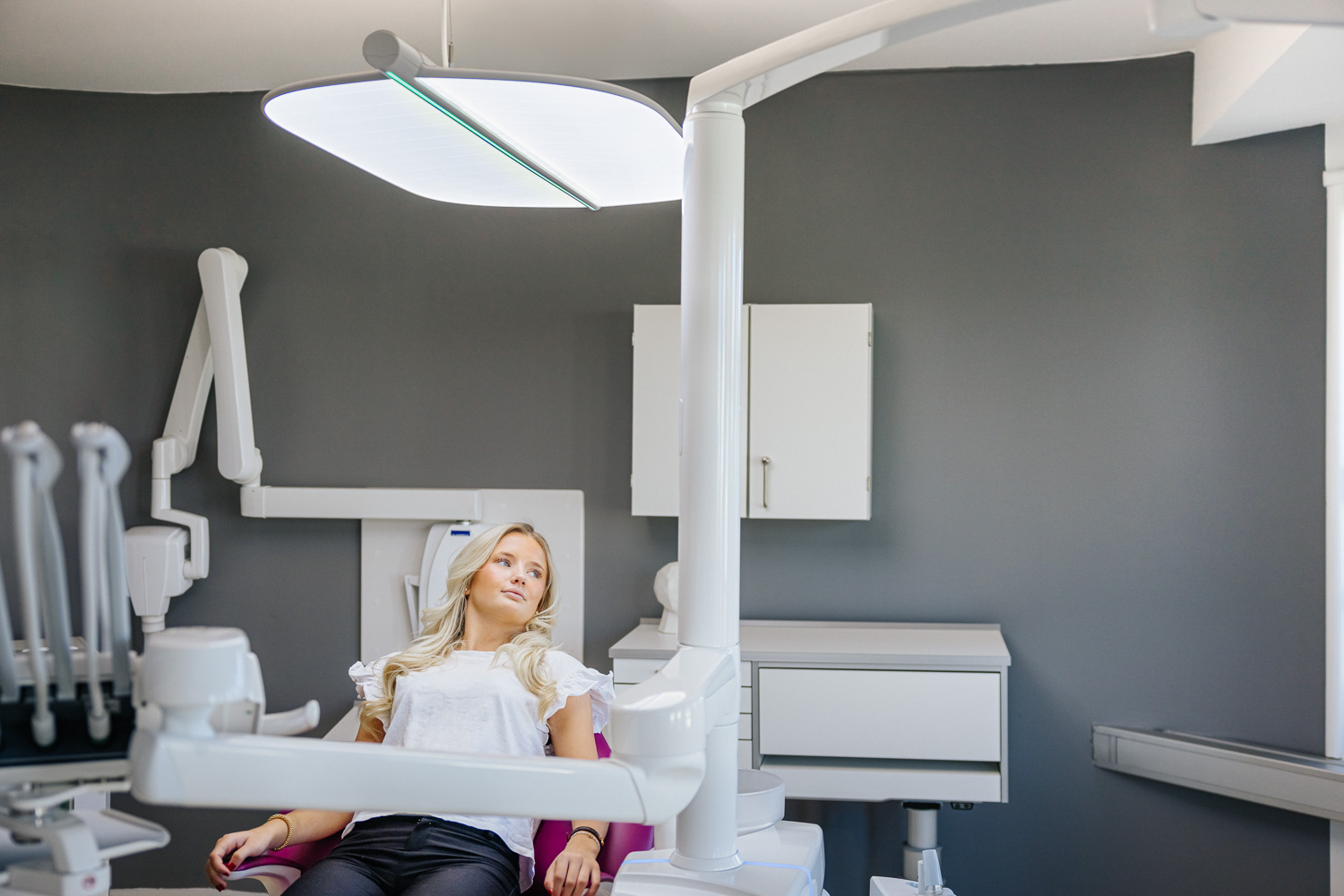
Pendant fixtures provide both direct and indirect light. Direct light is focused on work surfaces and instruments, while indirect light reflects off the ceiling and spreads throughout the room. The result is a softer and more even lighting distribution.
When light also illuminates the ceiling and walls, contrast between different light sources is reduced, meaning the eyes don’t have to adjust as much. A recommended guideline is to maintain a contrast ratio of approximately 1:10 between light sources, which pendant lighting helps achieve.
D-tec lamps feature a highly flexible suspension system with adjustable cables that can easily be lowered and adapted to the desired height.
Reduced glare and improved visual comfort
Glare is a common issue in clinical settings, particularly when large ceiling panels or strong spotlights are used as general lighting. For practitioners who work many hours per day, this can cause:
- Eye fatigue
- Headaches
- Reduced concentration
Pendant fixtures are positioned closer to the work surface and are often designed to distribute light horizontally across the room. The combination of downward and indirect upward light makes the overall lighting feel more balanced and comfortable.
Better lighting across the entire examination room
Treatment rooms require multiple types of lighting. Ergonomic guidelines recommend balanced lighting to ensure visual comfort and reduce strain.
Minimizing contrast
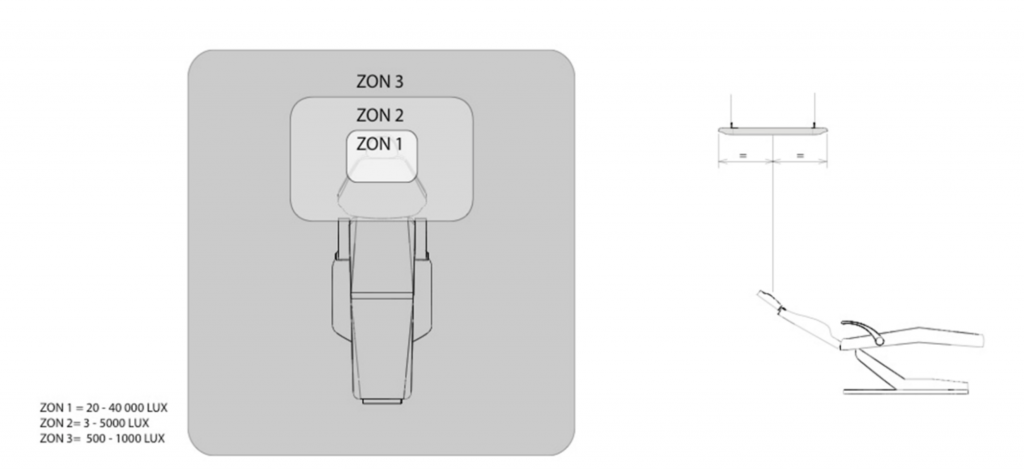
Pendant fixtures help create clear lighting zones within the room.
A 1:10 contrast ratio means that the brightest surface in your field of view should not be more than roughly ten times brighter than the darkest surface. This principle is used in lighting design and ergonomics to reduce eye strain, fatigue, and headaches.
What 1:10 means in practice
The contrast ratio describes the difference in illuminance (lux) between different areas of the room. If you have strong lighting at your work area, the rest of the room should not be too dark.
Why It’s Important
If the contrast is too high, the eyes must constantly adjust between light and dark, leading to eye strain, glare, and reduced concentration. Ergonomic guidelines therefore recommend balanced lighting throughout the workspace.
Clinic lighting planning
By planning distinct lighting zones, an optimal work environment is created.
Zone 1 – Surgical/Procedure Lighting
Purpose: Provide very strong, focused light directly in the patient’s mouth.
Example: Surgical lamp mounted on an arm above the patient.
Typical Light Levels: Approximately 30,000 lux
Function: Offers high-detail visibility during procedures, minimizes shadows inside the mouth, and allows the practitioner to see small structures and colour differences. Properly combined with surrounding lighting, this creates a workspace where high-precision work is possible without making the rest of the room feel dark or overly contrasted.
Zone 2 – Ambient lighting (D-tec Lamp)
Purpose: Illuminate the area around the patient’s mouth—face, instruments, and work surface.
Example: D-tec lamp positioned above the chair.
Typical Light Levels: 3,000–5,000 lux
Function: Surrounding field lighting softens the transition between general room lighting and surgical lighting, making it easier to see instruments and tissue around the work area. It reduces contrast between the surgical light and the rest of the room. This type of lighting is often wide and shadow-free, further minimizing contrast from the surgical lamp.
Zone 3 – General Lighting
Purpose: Provide even ambient light throughout the room.
Example: LED panels recessed in the ceiling.
Typical Light Levels: Approximately 500 lux
Function: Prevents the room from feeling dark, reduces contrast against brighter task lights, and makes it easier to navigate the room. Panels should provide diffuse light to avoid glare and reflections on instruments.
D-tec and the latest technology
In clinical settings, lighting affects both the patient experience and staff working conditions. D-tec combines modern LED technology with innovative solutions, including indirect, dynamic, and SunLike lighting, to create spaces that are functional, healthy, and comfortable.
Indirect light
Lighting also impacts patient perception. Many patients feel stressed or anxious before treatment, and harsh or glaring light can exacerbate these feelings. By reflecting light toward the ceiling and vertical surfaces, a brighter, more harmonious environment is created. The room feels larger, softer, and more welcoming, contributing to a better patient experience. D-tec offers indirect light in several fixtures, including Leaf, Cloud, and Clair, all with optional indirect lighting—especially important in dental and veterinary clinics, examination rooms, and treatment spaces.
SunLike
D-tec offers the latest SunLike technology, which combines a high colour rendering index (CRI 98) with a unique method for reducing blue light. SunLike closely mimics the sun’s spectrum, promoting health, enhancing productivity, and improving sleep quality. Ideal for environments where light quality is critical, SunLike sets a new standard for natural, comfortable lighting that significantly improves well-being.
Dynamic light
Dynamic lighting aims to replicate natural daylight using two light sources, one warm and one cool. The cooler light provides effective task lighting for examinations and precision work, while the warmer light creates a welcoming atmosphere. Multiple studies show significant benefits for both performance and health with dynamic lighting. To capture the positive effects of the sun for those spending long hours indoors, D-tec developed a dynamic daylight function. Several D-tec lamps include dynamic lighting, optimized for dental clinics and examination rooms. This function mimics the sun’s temperature shifts (Kelvin).
Well-planned lighting is therefore not just a technical solution—it is an investment in work environment, treatment quality, and patient comfort.
Contact us
Fill in the contact form and we will get in touch
Do you have any questions or concerns about any of our products or do you just have a general question? Do not hesitate to contact us. Fill in the contact form and we will get back to you as soon as we can.